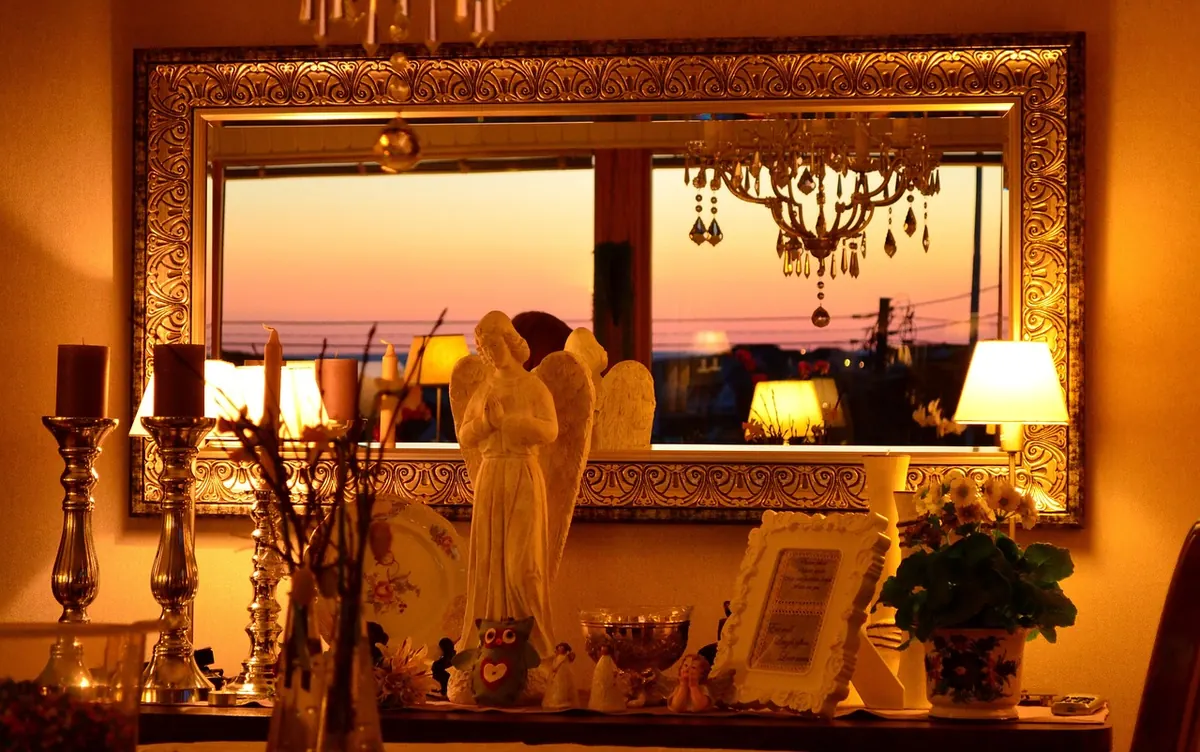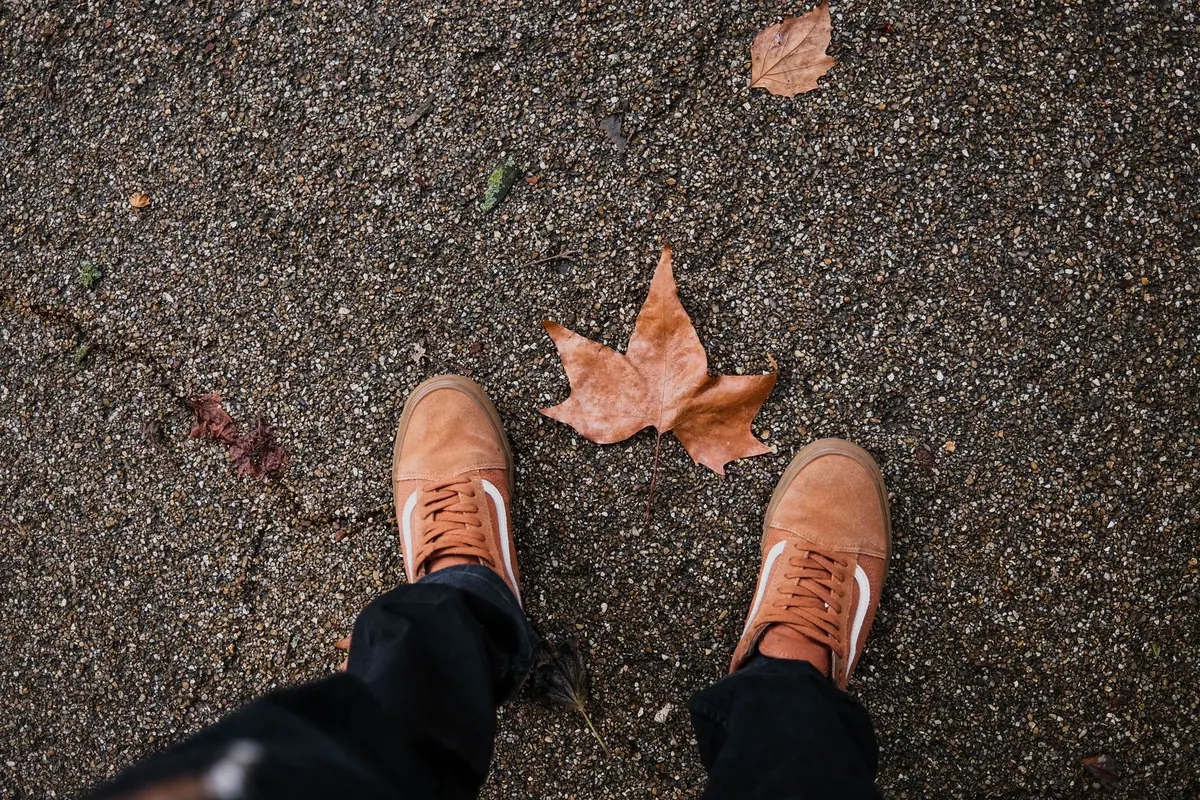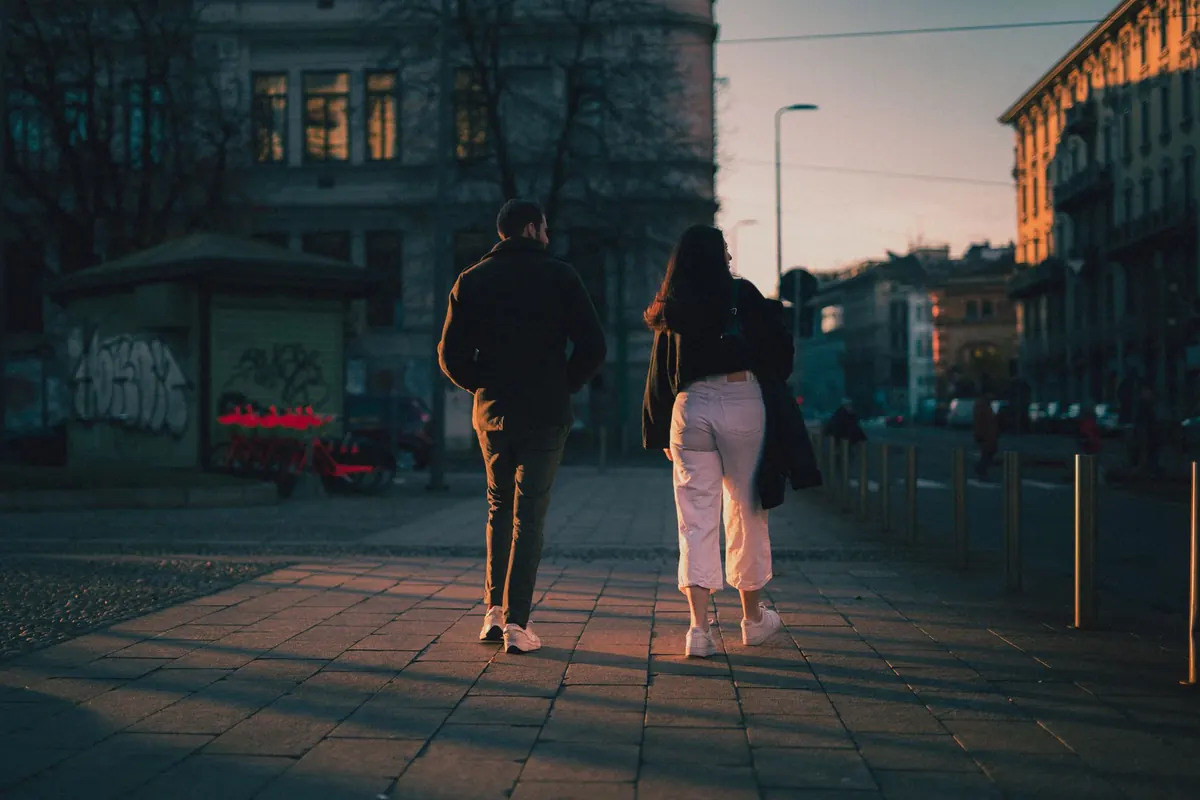
At around six in the evening, the light in an Italian town turns the colour of apricots and the streets fill up. Not with shoppers, not with commuters, but with people who have decided, more or less collectively, to go for a walk before dinner. They walk slowly. They stop. They greet the neighbours they see every day and the ones they haven't seen since Easter. Nothing is being achieved. That is the point.
This is the passeggiata, and you don't need to be in Italy to try it. You need an hour, a loop of streets, and a willingness to move at a speed that will feel, at first, almost suspiciously slow.
The passeggiata is the evening stroll through the centre of town, usually somewhere between the end of the working day and dinner. It has no destination. It has no step count. It is not a workout, a commute, or an errand run with a coffee bolted on the end.
It is a social practice. You go out to be among people, to be seen and to see, in a place that belongs to everyone. Some people walk with family, some with a friend, plenty with nobody at all. The route tends to be the same route it has always been: the main street, the piazza, the waterfront, then back. Nobody expects it to be interesting. It is familiar on purpose.
The other thing it isn't: a performance. People dress with a bit of care, which is different from dressing up. Clean shoes, a proper shirt, hair brushed. The care is a form of respect for the occasion, and the occasion is simply being outdoors with your neighbours.
Walk at roughly half the speed you would walk to catch a train. Slowly enough that a sentence takes its time. Slowly enough to notice that the bakery on the corner has changed its window display, that someone has repainted a door, that the plane trees are dropping something again.
Three rules make the difference, and they are harder than they sound:
Expect to feel restless for the first ten minutes. That restlessness is just momentum looking for somewhere to go. Let it run out.
Nothing on a passeggiata is worth hurrying towards, which is exactly why people come back from one feeling that the day has been properly closed.
Nearly every neighbourhood has a street that behaves like a small main street, even if it's just a strip of shops by a bus stop. Look for three things when you choose your loop.
In a city, this might be a single block that feels more like a village than the rest of the street. In a suburb, it may involve crossing one road and committing to a residential loop with no shops at all, in which case the life you're walking among is gardens, hedges, cats and other people doing the same thing at the same hour. In a village, it's whatever the main road is. The form is flexible. The rhythm is not.
Timing matters as much as the route. The hour before dinner is the classic slot. In summer, the half hour after eating works, when the heat has gone and the streets finally belong to people rather than traffic. Pick one and keep it. The passeggiata is a habit before it is an idea.
Wear shoes you can walk twenty minutes in without thinking about them. Carry nothing you don't need. If it's dark by your chosen hour, choose a lit loop and a shorter one, or move the walk to the morning and call it what it is: a slow start rather than a slow evening.
Walking with someone changes the texture of the stroll, mostly for the better. Walk side by side, not at pace, and don't fill every silence. Walking alone is equally valid and, in some seasons, preferable.
If walking is uncomfortable for you, or you're managing a health condition, it's worth speaking to your doctor or a physiotherapist before making a daily walk part of your routine. A bench-to-bench version is a perfectly good passeggiata too: a five-minute amble, a long sit, a five-minute amble home.
Give it one evening this weekend. Ten minutes to change and leave the house. Twenty-five minutes for the loop, including one proper pause. Ten minutes at home afterwards before you touch a screen. That's it. No equipment, no plan, no improvements to make.
Then do it again on Sunday, on the same loop, at the same hour. Notice what you see the second time that you missed the first: the doorway you'd never looked at, the person who nods back, the fact that you arrived home less wound up than you left. That recognition, repeated over a few weeks, is how a walk becomes a practice. The Italians have simply had longer to get used to it.