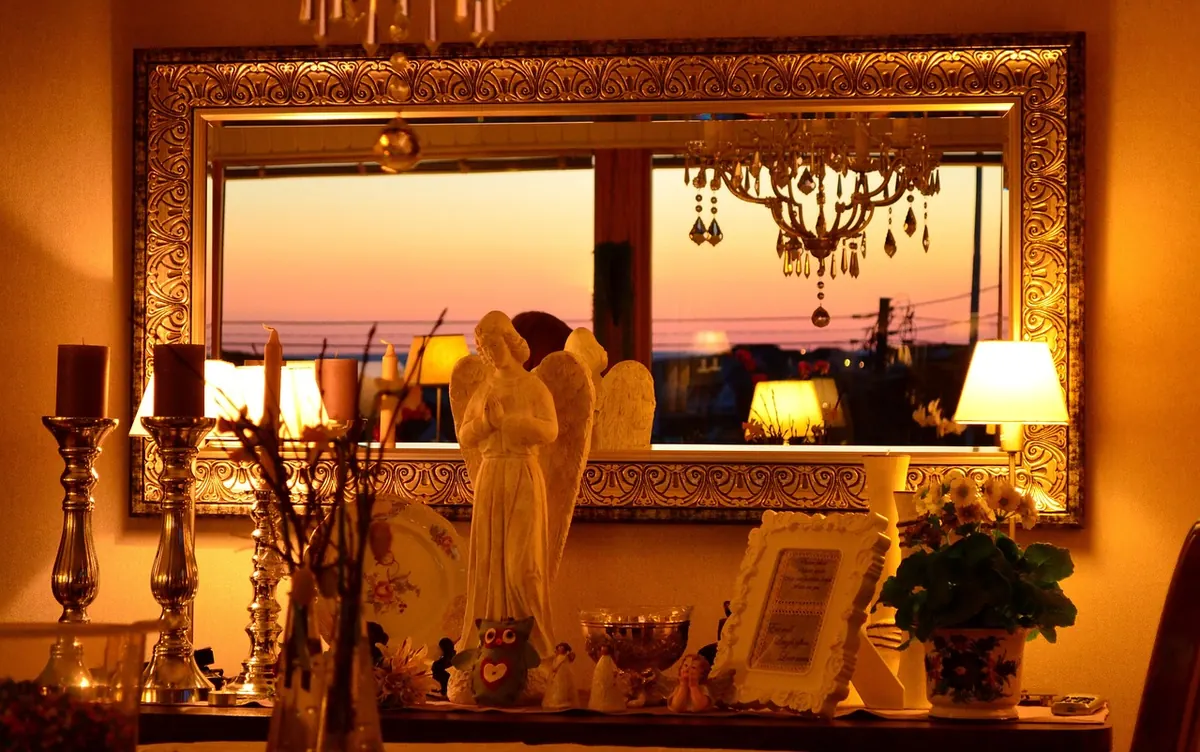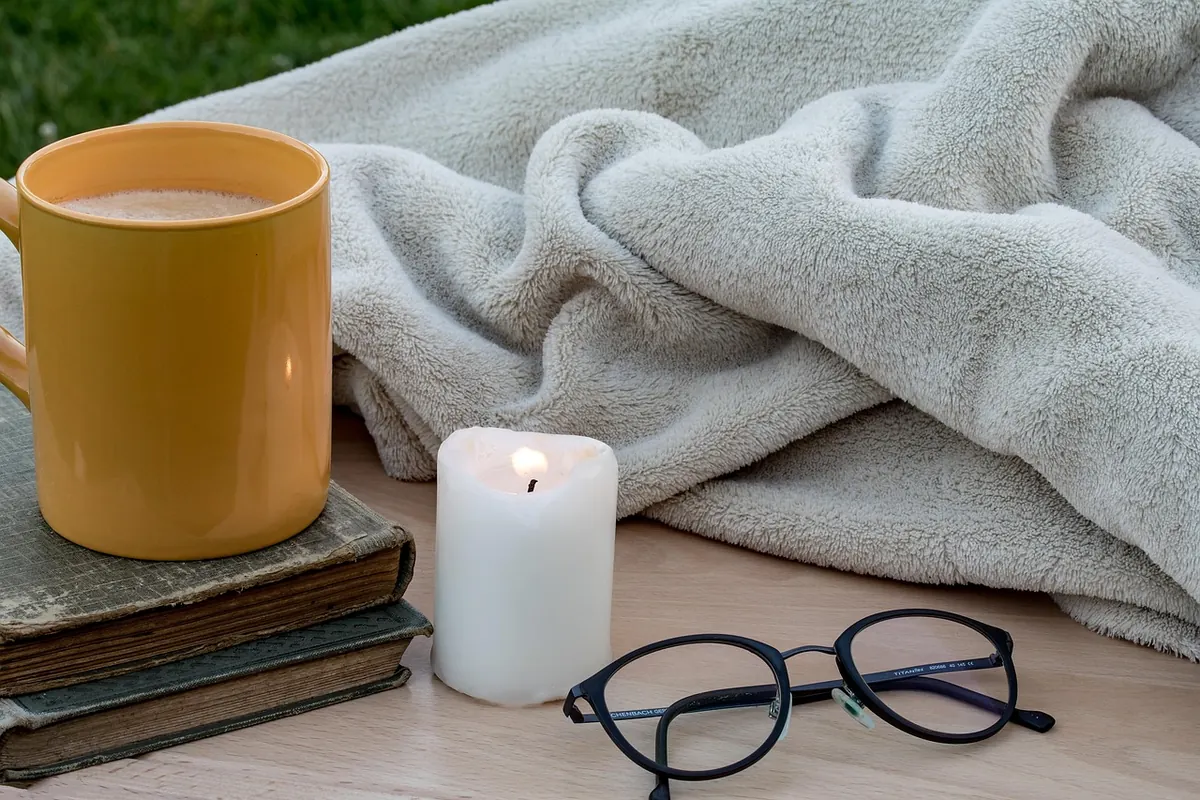
Hygge is one of those words that arrives with a picture attached: wool socks, a candle burning low, rain on the window, someone you like sitting across the table. The picture isn't wrong. It's just incomplete. The Danish word covers a whole evening as well as a single moment, and it has as much to do with how people treat each other as with what's on the coffee table.
What follows is a plain explanation of what hygge means, what it doesn't, and a set of small, affordable changes you can make at home this week — no shipping from Copenhagen required.
Hygge (roughly "hoo-ga") is both a noun and a verb in Denmark. An afternoon can be hyggelig; you can also hygge dig — literally, to hygge yourself — which means settling in properly. The closest English words are cosiness and comfort, but neither carries the social side of it. A room can be comfortable and empty. Hygge usually implies company, or at least a deliberate kind of solitude.
Three things tend to be true when something is hyggelig: the pace is slow, the stakes are low, and nobody is performing. That's why a takeaway eaten on the floor with a friend can be more hyggeligt than a carefully styled dinner party, and why a scruffy kitchen with good bread beats a perfect one nobody sits in.
It is also, in part, a response to climate. Danish winters are long, dark and wet, and hygge is what people do instead of pretending the weather is fine: they draw the curtains, light a few candles, invite two friends over and stay in. The mood isn't about luxury. It's about shelter — from the weather, and from the day.
You will sometimes see hygge marketed as a Danish secret to happiness, sold through photographs of immaculate white rooms. Treat that with a shrug. The real thing is cheaper, messier and more ordinary.
Plenty of homes are warm enough in temperature and still feel chilly, because the surfaces are hard and the light is blue-white. Warmth, as a feeling, is mostly texture.
None of this needs a renovation or a colour scheme. Aim for layers rather than one statement piece: wool over cotton, a small lamp over a big light, something soft within reach of wherever you sit.
The fastest way to change the mood of a room is to turn off the ceiling light. Overhead lighting flattens a space and makes everyone in it look tired. Hygge lighting is low, warm and scattered, so that the room has pools of light instead of one flat wash of it.
Candles do a lot of work here, and they don't need to be expensive. A short safety note worth repeating: keep them away from curtains and loose sleeves, never leave a room with one burning, and blow them out before bed. Good LED candles are a reasonable substitute if you have small children, pets, or a tendency to forget.
Hygge is social, but not in the entertaining sense. The best of these evenings have no menu, no curated playlist and no occasion. What they have is a small number of people and nothing to prove.
Lowering the bar is the whole technique. Invite one or two people rather than eight. Send a message that does the work for them: I'm making soup at seven, come over if you're free, bring nothing. Cook something that sits in one pot. Let people chop things, or don't, and skip the table-setting if it means you're still arranging napkins when they arrive.
Then deal with the phones. A bowl by the door works better as a hint than as a rule imposed on guests — put yours in it first and the room usually follows. Keep the music low enough to talk over; conversation dies at the volume where people start leaning in and shouting.
Solitude counts as hygge too, and it's arguably easier to get right. A bath with the door locked, a jigsaw on the dining table, a book and a blanket and no plan for the next hour. The point isn't the activity. It's the absence of hurry.
If you want to try this properly, here is a sequence that works. Prep time: about twenty minutes, most of it spent finding the matches.
You don't need to hygge the whole house. Pick the chair you sit in most — the one by the window, the one with the good reading light — and spend fifteen minutes on it. Put a small lamp within reach so you don't have to get up to switch it on. Drape a blanket over the arm. Set a mug and a book on the side table. Move the pile of post somewhere else.
Then sit down in it. That is the entire method: lower the light, soften the edges, put the phone out of reach and stay put for an hour. Do it often enough and it stops being a technique and becomes the way your home works — which is the only version of hygge worth having.
Photo: Myriams-Fotos / Pixabay