Most people arrive at slow living because something in the week feels wrong. Too many tabs open, too many evenings spent catching up, a calendar that reads like a list of things owed to other people. The appeal is easy to understand: less rushing, more margin, a life with room in it.
Then something odd happens. The pursuit of calm becomes another project to manage. A month in, the person who wanted fewer commitments has a shelf of unread books about minimalism, a 5 a.m. routine that isn't working, and a quiet sense of failure about not being relaxed enough. Slow living rarely collapses from lack of effort. It collapses from effort pointed in the wrong direction. What follows are ten mistakes worth recognising, and the more useful habit to put in their place.
Perfectionism is the most common way slow living goes wrong, partly because it dresses so convincingly as dedication.
Cooking a from-scratch meal at nine in the evening after a long day, because "that's the point", is not slow living. It's a second job with better lighting. The test is simple: ask whether an activity gives energy back or spends it. Kneading dough on a Sunday afternoon with nowhere to be is wonderful. The same dough at 9 p.m. on a Wednesday, with the dishes waiting, is a deadline you invented. Slow living should reduce the number of things you owe — including the things you owe to your own ideals.
There's a persistent belief that slowness starts later: after the kitchen renovation, after the busy quarter at work, after the children are older. It doesn't. You practise it in the life you actually have — in the queue at the post office, on the walk from the car park, in the ten minutes between meetings. If slowness only exists in a future where circumstances are ideal, it's a fantasy rather than a habit.
Some people start scoring their days on how peaceful they were, which is a fast route to feeling like a failure by Tuesday. A week containing a difficult conversation and a late train can still be slower than the one before it. Look for direction, not purity. Did you leave five minutes earlier than usual? Did you eat lunch away from your desk twice instead of once? That's the data worth keeping.
Cancelling a Sunday commitment feels great for about nine days. Then the space fills with errands, a side project and a message you've been meaning to answer. Space is unstable; it attracts whatever is nearby. If you clear time, decide in advance what the emptiness is for, and defend it. An empty block works best with a few simple conditions attached:
Turn journaling into a 7:00–7:20 slot with a specific pen and it will survive about eleven days before becoming one more thing to fall behind on. Rituals survive on flexibility. Choose anchors instead of appointments: a walk after lunch, breakfast before the phone, ten minutes outside before bed. On bad days the anchor can shrink to five minutes and still count. A routine that collapses the moment life gets busy was never a routine; it was a performance with a schedule.
Plenty of activities look like rest and function like work. Reading self-improvement books. Listening to podcasts at one and a half speed. Scrolling while telling yourself you're winding down. Real rest usually has no secondary purpose. Make a short, honest list of what genuinely restores you — not what you think should — and do one of those things without a justification attached. If nothing restores you, no matter how much sleep or quiet you get, that's worth raising with a doctor rather than fixing with another routine.
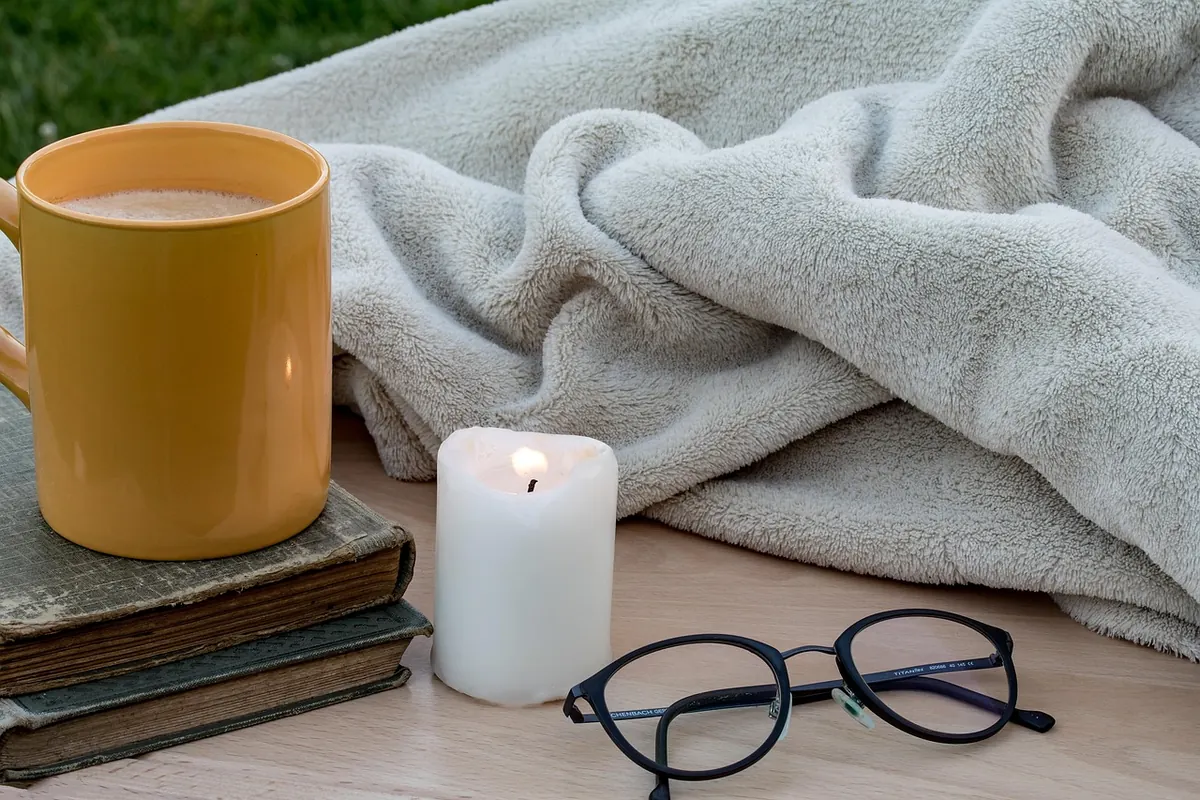
Linen aprons, bare walls, a ceramic mug in exactly the right shade. These things are pleasant, but they're scenery. The photographs that circulate online are a byproduct of a quiet afternoon, not the reason for it. A useful test: would you still do this if no one ever saw the result? If the honest answer is no, you've found a photo opportunity rather than a practice.
There's always something to purchase in order to feel more intentional. Matching storage jars, a heavier blanket, a course about presence. Some of it is genuinely useful. Most isn't, and the shopping quietly reproduces the feeling you were trying to escape — the sense of being behind, and one purchase away from caught up. Slow living is mostly subtraction and attention, and both are free. If a purchase needs a proper look at the budget, give it one, and talk it through with whoever shares that budget before you click.
Protecting your peace can quietly turn into avoiding people. Saying no to a loud party is fine. Saying no to every invitation for six months is how a calm life becomes a lonely one. Slow living includes long dinners with friends that run past your bedtime, and conversations that meander without an agenda. The skill is the boundary, not the wall: leave early, skip the second event, host instead of travel. Connection isn't the opposite of calm. Isolation is.
The final mistake is the most corrosive. One missed morning routine, one takeaway dinner, one weekend lost to a screen, and the whole project is declared dead. That's perfectionism wearing different clothes. A slow life isn't a streak; it's a set of defaults you return to after the messy days. Guilt is a poor companion here, because it consumes exactly the energy you needed for the return. Miss the walk. Do it tomorrow. Nothing has been ruined.
If any of the above sounds familiar, you don't need a new plan. You need fewer moving parts. Start here, this week:
Photo: Anna Shvets / Pexels