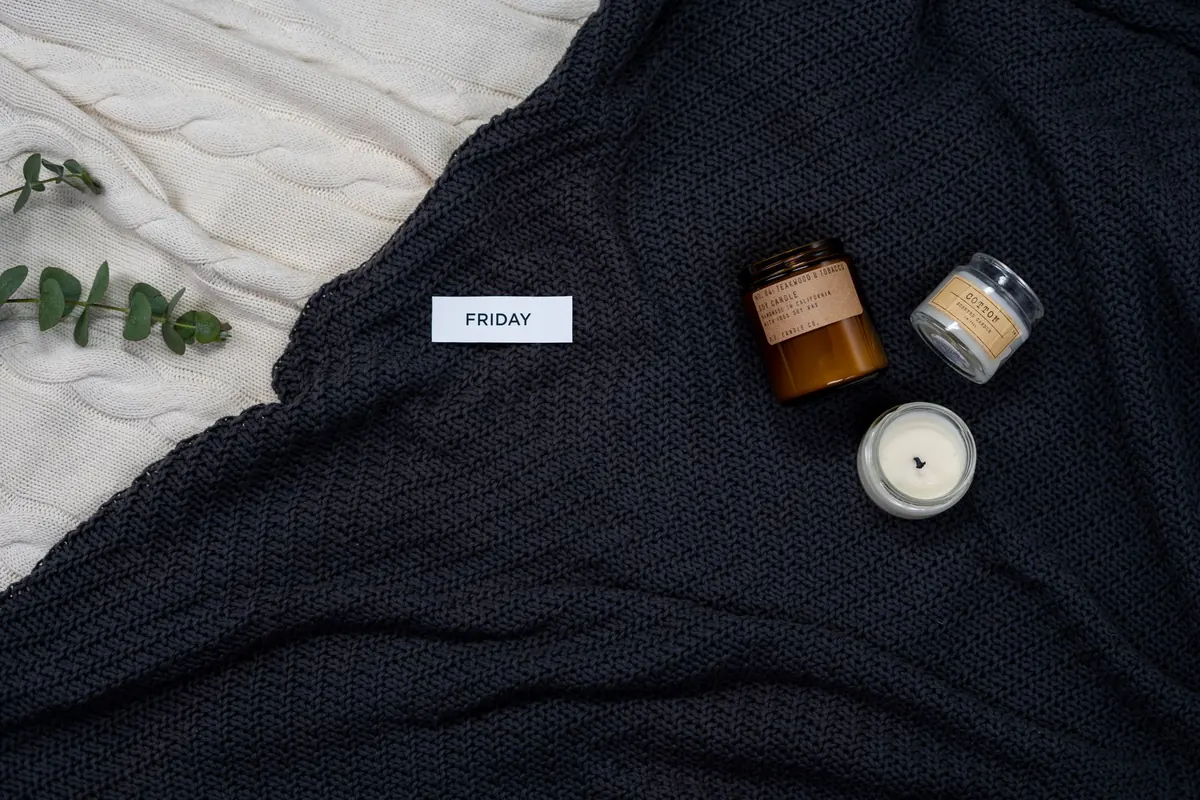
The first properly cold morning arrives without ceremony. You reach for a sweater you had forgotten you owned, find the hallway window running with condensation, and notice the light has changed — lower, softer, gone by five o'clock. Autumn doesn't ask permission. It simply moves in, and the house has to answer.
A seasonal reset isn't a deep clean or a renovation. It's a few deliberate hours spent helping each room do what it needs to do when the days shorten: hold warmth, soften light, and give you somewhere to land at the end of the afternoon. Work through it room by room and it stops feeling like a chore and starts feeling like a ritual worth keeping.
Before you buy a single cushion, deal with the things that decide whether the house feels warm at all. On a windy day, run the back of your hand around window frames, exterior doors, letterboxes, and the gap under the sink where pipes come in. A draft you can feel is a draft worth fixing, and most fixes cost very little: self-adhesive foam strip for frames, a brush seal for the bottom of a door, a weighted fabric excluder for the one you can't alter.
Bleed the radiators if they run cold at the top and warm at the bottom — a radiator key and an old towel are all you need. Keep furniture a little away from them, and resist draping wet washing over the top; you want the heat in the room, not trapped behind a damp towel.
Then think about air. A sealed house gets stuffy, and damp is the enemy of cozy. Open a couple of windows wide for ten minutes each morning, even in November, and use the extractor fan every time you cook or shower. Short, sharp bursts of air keep a house fresher than leaving one window ajar all day.
Autumn light is beautiful and brief, and the single most effective change you can make in a living room is to stop relying on one overhead bulb. Warm-white bulbs — look for roughly 2700K on the box — in two or three low lamps transform a flat room into somewhere you want to sit. A floor lamp behind a chair, a small one on a side table, both on a timer plug so they're already on when you come in.
Then layer. A wool or cotton throw folded over the arm of the sofa. A heavier cushion cover or two. A rug if the floor is bare and cold underfoot. Keep a basket beside the sofa for the throws and magazines that otherwise colonize every surface. If you have a fireplace, book the sweep now rather than after the first failed fire; if you don't, a cluster of candles on a metal tray does more for the mood than any screen.
One more thing: pull out the books you actually intend to read this winter and put them in one place. A shelf of unread intentions isn't cozy. A small stack that gets shorter is.
The kitchen does most of the emotional work in autumn. It's where the warmth, the smell, and the reason to stay home all come from. Start with the pantry: oats, lentils, beans, squash, onions, garlic, good stock, cinnamon, smoked paprika. Not a shopping list for its own sake — just the ingredients that make a pot of something good possible on a Tuesday without another trip to the store.
Give the oven its first proper clean of the season and check the timer and the interior light. A Sunday spent batch cooking — a stew, a soup, a tray of roasted vegetables — fills the freezer and makes the rest of the week gentler. Cool leftovers promptly, refrigerate them within a couple of hours, and reheat them thoroughly.
At the table, small things count. A cloth, even a plain one. A bowl for fruit. One candle lit before the plates go down. Turn the big light off and use a lamp or two instead. That is the whole difference between eating and having dinner.
Cool room, warm bed is the old formula and it still holds. Swap the summer bedding for a heavier duvet, or add a wool blanket between the sheet and the duvet so you can adjust on mild nights. Flannel sheets, a hot water bottle, and a small lamp on the nightstand instead of the ceiling light will do more than any decorative purchase.
Wash the duvet or comforter and the pillows if the care labels allow, air the mattress, and vacuum underneath while you have the space. Rotate or flip the mattress if it's the kind that permits it.
The other autumn job is light. Darker mornings make it harder to get going, so open the curtains as soon as you're awake and spend a few minutes near a bright window with your coffee. In the evening, do the opposite: dim the lamps an hour before bed. If sleep stays difficult through the season, that's a conversation for a doctor rather than a checklist.
Wet coats, muddy boots, and a hunt for gloves every morning — the entryway sets the tone for the whole house. A boot tray with a raised lip, a mat that actually absorbs water, a row of hooks at the right height, and one basket for hats, scarves, and keys will contain most of the chaos. Add a small lamp, a flashlight, and a spare umbrella. Keep the floor as clear as you can: a crowded hallway makes even a generous house feel cramped.
Warm towels, a bath mat that grips, and a bulb in the warmer range make a cold bathroom bearable in November. Wipe the condensation off the window after a shower and run the fan for a few minutes afterwards. While you're in there, check the grout and the sealant around the bath and sink for dark patches — damp corners only get worse once the heating comes on.
Spread the work out and it never feels like a project. Give the first weekend to the bones of the house, the entryway, and the bedroom — drafts, radiators, bedding, hooks. Give the second to the living room, the kitchen, and the bathroom: lamps, textiles, pantry, and a proper clean of the oven and the sealant.
If time is short, start here:
Then stop. A cozy house isn't a finished project, and nothing on this list matters as much as using the rooms once they're ready — the lamp switched on at four o'clock, the pot on the stove, the throw over your knees. The checklist exists only to make those evenings easier to begin.
Photo: cottonbro studio / Pexels